
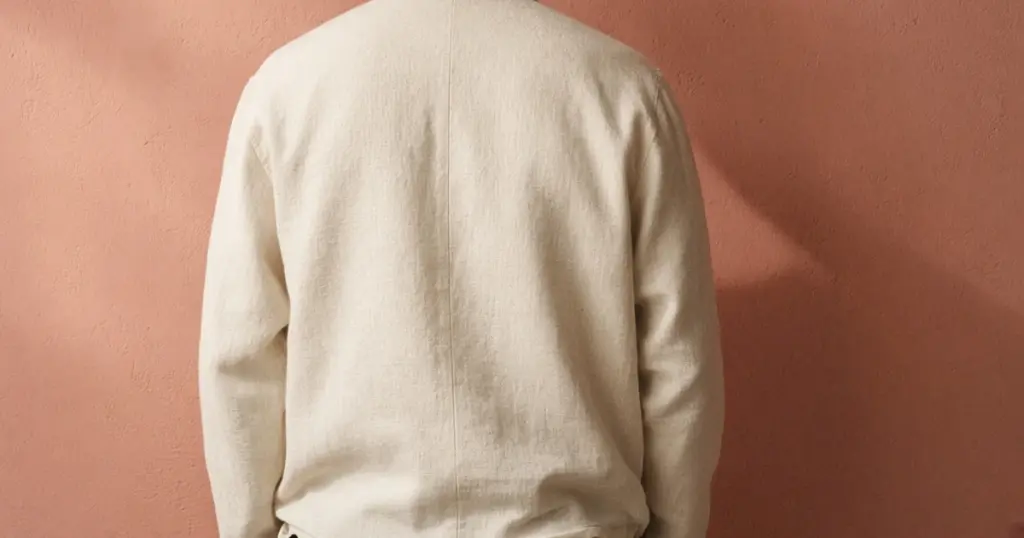
Here is a truth no store wants printed on the price tag: clothes are worn by the body.
Not by the hanger. Not by the mannequin with perfect shoulders and no lunch plans. By the body. The same jacket can look like a million dollars on one person and like a sleeping bag on another. The jacket didn’t change. The thing inside it did.
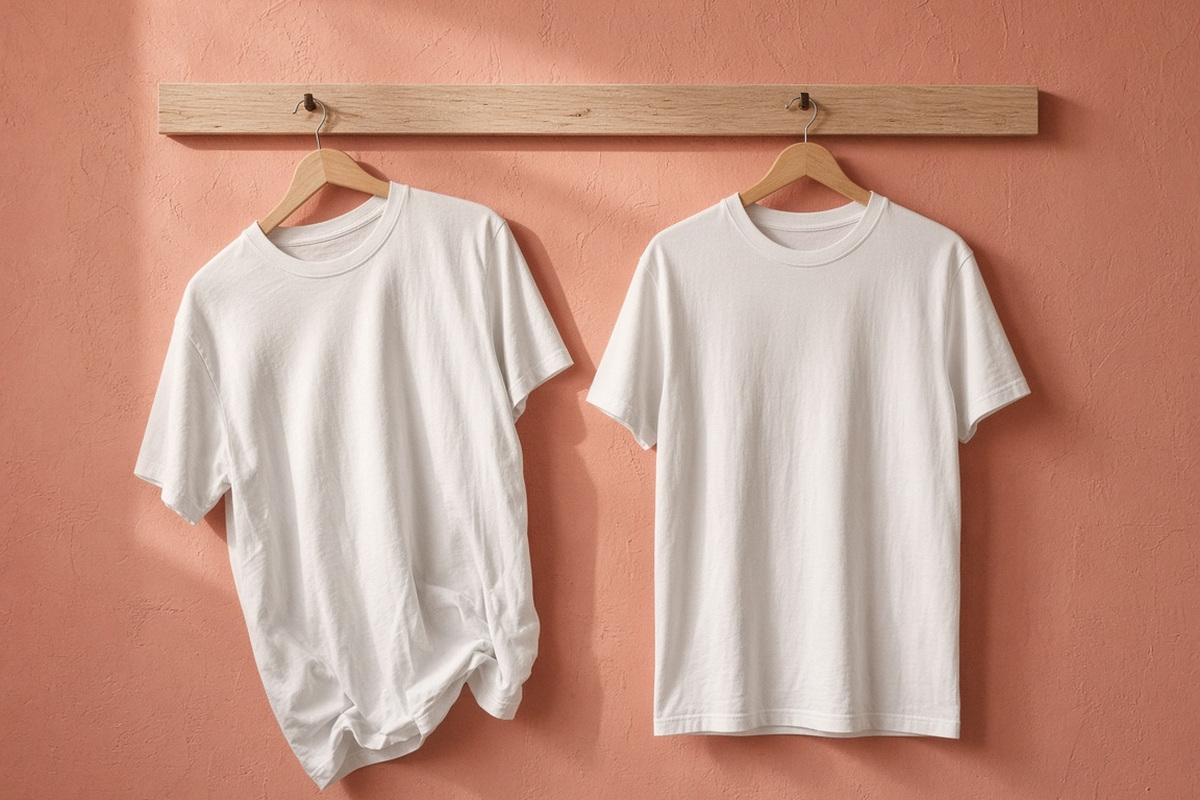
The thing the fitting room can't fix
We spend a lot of energy on the outside layer. The right cut. The right size. The right color for our skin tone, according to a quiz that took four minutes.
None of that is wrong. But there’s an order to it. Fabric hangs from shoulders. It falls along a back. It moves when you move. If the frame underneath is slumped, tired, and stiff, the fabric reports that faithfully. Clothes are honest that way. They are basically a very soft mirror.
And here’s the part I’m sure of: a good body shows no matter how much you try to hide it. Put it in a baggy hoodie. Throw on whatever was on the chair. It still looks put together. It has presence. You can’t buy that at the register.
Slim isn't the answer
Let me be clear about what I’m not saying. I’m not saying thin. Slim isn’t the answer.
Size isn’t the whole story. Even a big person can look completely different in the same clothes, depending on posture and how the body is balanced. Slouch, and the shirt slumps right along with you. Stand tall, with the shoulders and frame in balance, and the same shirt suddenly hangs the way it was meant to. So it’s not really about how big or small you are. It’s about how you carry what you’ve got. Bodies come in a lot of shapes, and none of them needs a lecture from me.
Even the most famous body number has limits. The CDC describes BMI as a screening measure, and it notes that BMI does not distinguish between fat, muscle, and bone. For individual health, the CDC says to look at it alongside other things, like physical activity, sleep, blood pressure, and muscle mass. In other words, one number doesn’t tell the whole story of a body.
So if slim isn’t the answer, what is?
But there is an answer
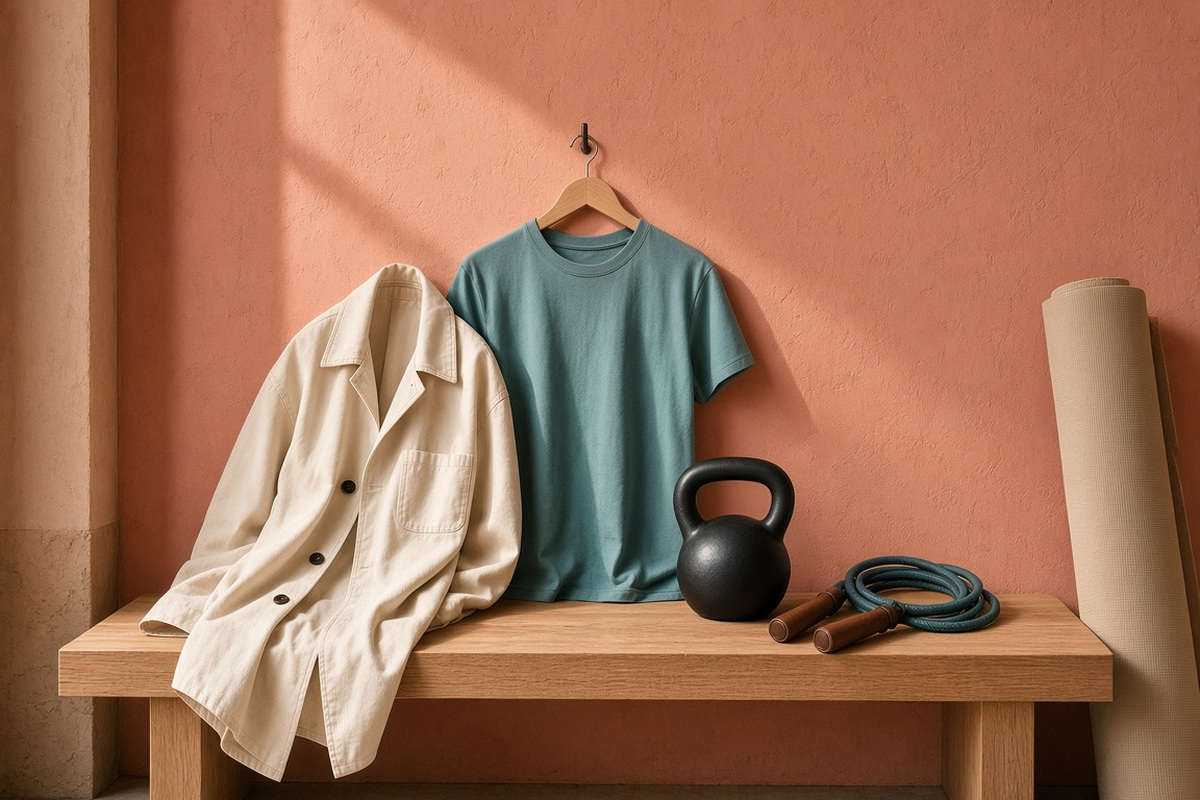
Slim isn’t the answer, but a healthy, attractive body has one. And the good news is that it’s not a size. It’s a set of habits.
Move often. The CDC’s guidelines for adults are simple: at least 150 minutes of moderate activity a week, like brisk walking, which works out to about 30 minutes a day, five days a week. You don’t have to do it all at once. The CDC also says some activity is better than none. That’s the most forgiving rule in all of health advice.
Build some muscle. The same CDC guidelines add at least two days a week of muscle-strengthening activity that works the major muscle groups: legs, hips, back, abdomen, chest, shoulders, and arms. Mayo Clinic notes that muscle mass and strength tend to decline as we get older, and that strength training can help keep and build them. It may also help protect bone health. You don’t need a fancy gym, either. Mayo Clinic lists pushups, squats, lunges, planks, resistance tubing, and even water bottles as options, and says you may notice stronger muscles with about 20 to 30 minutes, at least twice a week.
Stand like you mean it. Posture is where the body meets the clothes most directly. Harvard Health explains that weak core muscles encourage slumping, and that tight chest muscles can pull the shoulders forward. Its description of good posture reads almost like a tailor’s checklist: chin parallel to the floor, shoulders even, neutral spine, weight spread evenly on both feet. Harvard Health also says building core strength and flexibility can improve posture noticeably in just a few weeks.
Look at that list again. Shoulders back. Spine tall. That’s exactly the frame a shirt is designed to hang on.
Why the effort shows
This is why a good body looks good in careless clothes. The muscle holds the shape. The posture lifts the shoulders where the seams expect them. The energy from moving every day shows up in how a person walks into a room.
None of this is a miracle. Exercise won’t turn anyone into a different person, and it won’t fix every health problem. But strength, posture, and regular movement are things almost anyone can work on, at any shape, starting from wherever they are. Mayo Clinic puts it nicely: if you stick with it, you can keep getting stronger, no matter where you started.
The best outfit starts underneath
So next time you stand in front of a closet full of clothes and feel like you have nothing to wear, try a different question. Not “What should I put on?” but “What am I putting it on?”
Buy the nice jacket if you want it. It’s a fine jacket.
Just remember who’s really wearing it.
This post is my own reflection, not medical advice. If you have questions about your health, talk to a doctor or other health care professional.