
CNBC reported that Elon Musk expects SpaceX to reach annualized revenue above $500 billion by December 2027. That is the headline from his latest conversation with Ron Baron. The qualification matters just as much: Musk described the projection as his best guess, not a promise.
My reaction is straightforward. It looks quite possible to me.
That is my opinion, not confirmation of a financial result. An annualized revenue figure describes the pace of a business at a particular moment. It does not mean SpaceX will collect $500 billion across the entire 2027 calendar year. It also says nothing by itself about profit, cash flow, or what an investor should pay.
The distinction leaves room for both conviction and scrutiny. A forecast can look possible without becoming a guaranteed outcome.
What the conversation actually covered
The discussion took place on November 6, 2026, at the 33rd Annual Baron Investment Conference. Baron hosted the conversation in New York, while Musk joined by video. Baron Capital’s official agenda identifies the session as a fireside chat between the two.
The coverage describes a conversation that extended well beyond Tesla’s vehicle business. Semiconductor manufacturing, AI computing, reusable rockets, satellite communications, and humanoid robots were connected in a much larger industrial picture.
These were plans, estimates, and arguments about future capacity. They were not interchangeable with completed factories, signed customer contracts, or audited financial results.
Tesla North reported the SpaceX revenue discussion in the context of the business following its acquisition of xAI. That background helps explain why the conversation moved so easily between rockets and AI infrastructure. It should not be mistaken for a new acquisition announcement made during this interview.
The idea that convinced me most
Of everything discussed, the space AI data center concept was the most convincing to me.
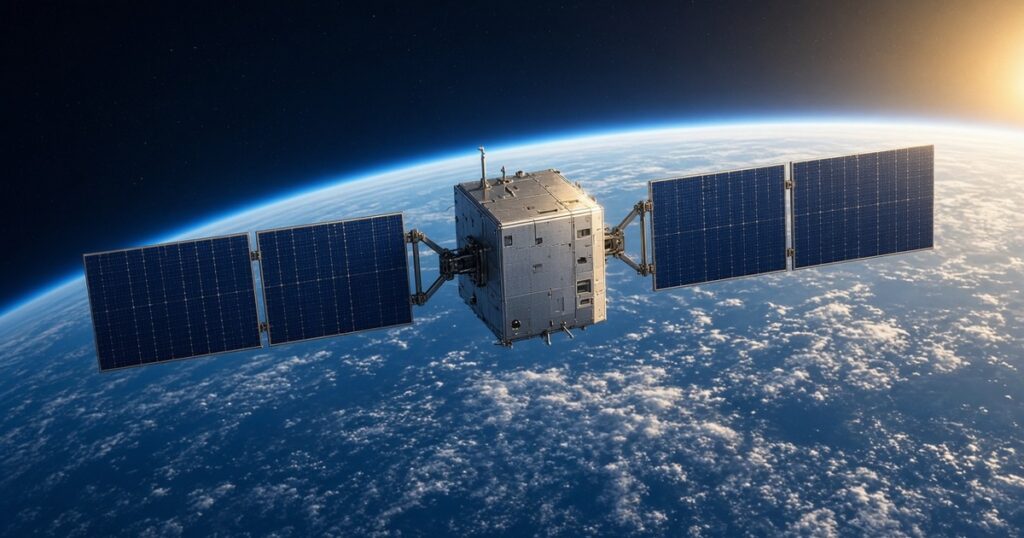
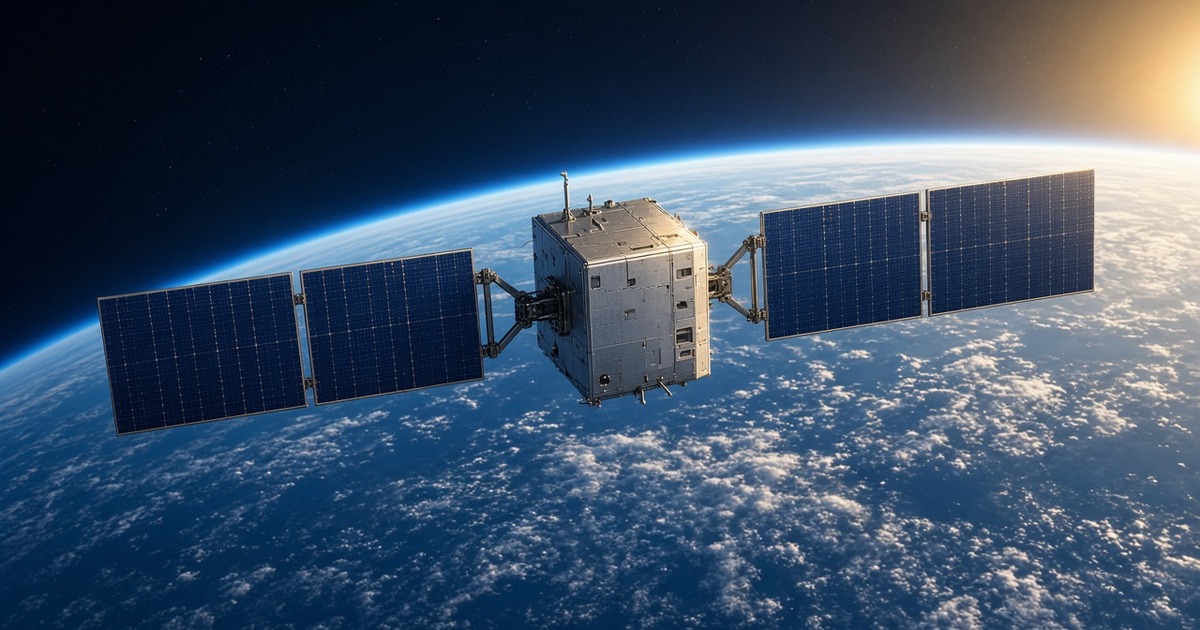
InvestmentNews reported that Musk discussed StarMind, a proposed network of computing infrastructure in orbit. He said the first computers, developed with NVIDIA, could begin launching in the third quarter of 2027. He presented that timing as an estimate, with deployment expanding afterward.
The same article quoted Musk saying: “And we’ll start off slow, but then it will ramp to significant volume probably in ’28, and then very, very large volume in ’29.”
The proposal addresses a practical constraint behind the AI expansion story. Computing infrastructure needs electricity, equipment, construction, and somewhere to operate. Musk argued that orbital infrastructure could use solar energy while avoiding some limitations facing projects on the ground.
The appeal of that argument does not establish its economics. Launch costs, radiation, cooling, maintenance, equipment replacement, and regulatory requirements remain relevant questions. Moving computing hardware into orbit changes the engineering problem. It does not make engineering problems disappear.
My view is limited to what I have actually said: among the ideas in this conversation, StarMind is the most convincing to me. Whether the business delivers the proposed scale remains something execution must demonstrate.
The infrastructure beneath the forecast
StarMind was not presented as an isolated satellite idea. It sat alongside discussion of manufacturing chips, launching hardware, and expanding communications capacity.
According to Tesla North’s recap, Musk described Terafab as an effort to increase AI chip production. He discussed a research fabrication facility at Gigafactory Texas and the intention to transfer successful manufacturing approaches to a larger production operation.
A research facility and a production facility serve different purposes. Experiments can improve a process without proving that the process is ready for economical manufacturing at scale. That distinction matters whenever a proposed factory becomes part of a future revenue story.
Reusable launch systems form another part of the proposal. InvestmentNews reported Musk’s argument that Starship could substantially reduce the cost of reaching orbit. Lower launch costs would affect the economics of putting computing equipment into space. The forecast depends on those capabilities becoming dependable, not merely being described.
Tesla North also reported plans to expand Starlink’s bandwidth and discussed potential demand from AI systems and robots. Increased network capacity would be a technical achievement. Turning that capacity into paying demand and attractive returns would be a separate business achievement.
These connections explain the breadth of the conversation. They do not prove that every component will arrive together or on schedule.
Tesla and the robot question
The conversation also covered Optimus, Tesla’s humanoid robot program. Tesla North reported Musk’s expectation that robots operating continuously could eventually deliver greater weekly productivity than human workers.
That is a claim about future capability, not an independently established result across a commercial fleet. Manufacturing cost, useful tasks, reliability, service requirements, and customer willingness to pay would all affect the eventual business.
The available coverage does not provide a basis for treating this interview as confirmation of a new robotaxi rollout schedule or a new Tesla share price target. The larger industrial vision should not be turned into announcements that were not established in the reporting.
Baron is not a neutral observer
Ron Baron’s questions came from the perspective of a substantial investor in Musk’s businesses.
Tesla North reported that, as of September 30, 2026, SpaceX represented 32.6% of long positions in Baron Partners Fund, while Tesla represented 13.4%. Financial Advisor also reported the fund’s 32.6% SpaceX exposure. These are reported fund position percentages, not a description of Baron’s personal assets.
Those holdings make the context important. This was a conversation between a founder presenting an ambitious future and an investor with significant exposure to that future. Their enthusiasm is relevant information, but it is not independent validation of the projections.
On the investment philosophy itself, my view is simple: if you have conviction, concentration is right.
That is a statement about conviction and concentration, not a claim that every concentrated portfolio will succeed. Concentration increases exposure to the outcome of a smaller group of businesses. When their execution disappoints, that exposure remains concentrated too.
Possible is not promised
My three takeaways are clear. StarMind was the most convincing idea. SpaceX reaching the reported revenue pace by December 2027 looks quite possible to me. And with conviction, concentration is right.
The reporting still needs to remain separate from those opinions. CNBC confirmed the revenue projection, not its achievement. The proposed orbital computing system still needs to be deployed. Manufacturing and launch capabilities still need to support the business being described.
Conviction is my position. Results will determine what the forecast becomes.
Not financial advice.